Showing posts with label Eczema Toddler. Show all posts

Sunday, March 31, 2013

Common Causes and Symptoms of Eczema


Eczema is a word which is used in reference to different types of inflammation of the skin. Another word which is often used to describe this condition is dermatitis. The most frequent type of this condition is referred to as atopic dermatitis. Although the two terms dermatitis and atopic dermatitis are often interchanged they do not mean the same thing. Dermatitis is the general name given to eczema whereas atopic dermatitis is simply one type of dermatitis which may occur.


Although anyone of any age is subject to afflicted with eczema it is more common in babies than anyone else. Over half of the population often experiences this condition before they reach the age of five years. Many times this condition is seen in very young babies and toddler. When this happens it is usually resolved before the baby reaches the age of three however it can return periodically over the course of that person’s life. A large portion of individuals who develop eczema do so because there is either a family history of it or that person may have other allergy conditions such as asthma or hay fever. Reports indicate that while eczema may affect as much as 20% of children it only affects approximately 2% of adults.

This condition is thought to be more prevalent in girls than it is in boys and may strike individuals of any race. Although eczema is not considered a contagious skin condition, it is thought to be passed down from one family member to another in some cases. This is why it is not thought to be an unusual occurrence when more than one family member is affected.

It is not known exactly what causes eczema however skin defects and low functionality of the immune system are thought to be contributing factors to its occurrence. In the specific case of atopic dermatitis it is believe that defective genes causing protein abnormalities may lead to the development of this condition.


Some cases of eczema may be triggered by certain objects or substances that come in direct contact with the skin. Some examples of this may include certain types of clothing, jewelry, sweat, soaps, perfumes and cosmetics. Airborne allergens may also lead to the development of this condition in some cases in addition to heat, high humidity and even stress.


There are a variety of symptoms that may be experienced by an individual affected by eczema. Some of the most common of these symptoms include red, itchy skin with a burning sensation. These symptoms may vary slightly from one individual to another depending on such factors as a person’s chemical make-up as well as the particular type and cause of eczema in that person. Itching is generally the first of these symptoms to become noticeable with the other symptoms following closely behind.


Although any part of the body may be affected by eczema it is often most commonly seen in the areas of the face, neck, ankles, knees and insides of the elbows. In babies the areas affected may include the arms, legs, neck, head, forehead and cheeks.

4 Need to Know Eczema Facts


Here are 4 of the most common eczema facts you need to know in order to understand what it is, the causes, and the best ways to manage and treat it.

What is Eczema?

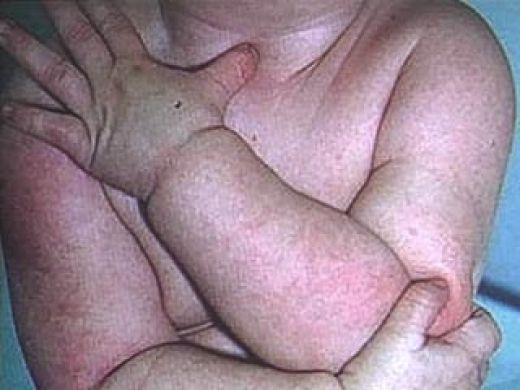
Eczema is a skin condition that causes inflammation of the skin and can affect all age groups especially children. There are varying degrees of severity from mild forms where the skin is dry, hot and itchy to severe forms where the skin can become raw, broken and bleed.

What Causes Eczema?

What causes eczema depends on the type of eczema a person has. Atopic eczema seems to be genetically linked and sufferers are sensitive to allergens in the environment which other people are not. This causes the immune system to react producing inflamed, sore and irritated skin. Other types of eczema are caused by irritants such as chemicals and detergents, allergens such as jewelry irritants, and stress.


How do I know if I have Eczema?

Because Eczema is very individualized it is sometimes hard to tell if you have eczema or not. It typically appears on the tender areas of elbows, knees, wrists and neck. In cases especially seen in eczema in babies it can cover the whole body and face. Hot itchy dry skin is the main symptom. The itching can lead to scratching which will damage the skin and cause bleeding. The dry skin can also crack making movement difficult and sore. Eczema often improves with children as they grow older, although it can reappear at any time and can move in cycles.

How Can You Manage Eczema?

There are many ways to treat the symptoms of Eczema, the foundation of which is an effective skin routine. There are also pills or creams available over the counter, or from your doctor. These can often be strong causing harmful side effects and are not recommended for children. However, there are many ways to minimize the discomfort and distress using natural therapies that a lot of people prefer. These range from diet changes to using natural oils on the affected areas.

Preventing Skin Infections In Toddlers Suffering From Eczema

Diagnosed with eczema at 17 months of age, little did I know how much this irritating and painful condition would truly effect the lives of both my daughter and myself.

Characterized with extremely dry, patchy, and itchy skin, my toddler would literally scratch until she bled.
For those who either suffer with this skin disorder, or those who have children who suffer with it, I don't have to tell you how many sleepless nights and exhaustive days one experiences while trying to deal with this condition.
Due to the severity of the itching, it literally takes all the energy you can muster to make the sufferer comfortable. In addition to the hydrocortizone creams, or antihistamine blocker medication, allergist specialist or dermatologist often prescribe steroidal skin creams to control the breakouts. Unfortunately however, these creams are not conducive to long-term use.
Therefore, when the flare-ups resurface (and they do come back, and often with a vengance), in addition to the return of the endless scratching, comes the opening of new skin wounds, and the reopening of old ones. This in turn leads to skin infections.
It was after an extremely horrendous skin infection suffered by my toddler (which left her pale skin so raw and beet red, that it was torture for her to be given a bath, or even for anyone to touch her!), that I decided to take matters in my own hands to prevent this from happening to her again.
After a week of antibiotics administered from her allergist specialist (who happens to be the most caring specialist I've seen in a long time), I came up with a "skin infection prevention" program. It goes like this...

1.) Keep your toddler's nails trimmed as low as possible. Thereby, preventing any great damage to the skin due to scratching.

2.) When and if your toddler does break their skin, using hydrogen peroxide, immediately cleanse the area as thoroughly as possible (at least three times a day). Ensure that your toddler's hands are washed thoroughly as well, following this event.

3.) Keep a supply of prescription antibiotic ointment on hand just in case your toddler's scratching causes an open flesh wound.

My daughter's allergist specialist prescribed her an antibiotic ointment called Mupirocin. I use this at least two to three times a day on the effected area (use it as often as your dermatologist or allergist specialist instructs you).

4.) Instead of trying to prevent him/her from scratching (there's no way you can prevent a toddler from scratching - even as adults, when we have an itch, we scratch), cover their hands with a pair of socks.

Personally, I cover my daughters hands with my home sewn 100% cotton scratch mitts since my daughters condition is so severe, that synthetic fibers aggravate her condition.
I've made her a dozen or more cotton scratch mitts (as you can see in the second picture from the top) which allow her to scratch without breaking her skin. The mitts are very soft against her skin, yet at the same token, they offer her the relief she needs.
Sticking to my "skin infection prevention" game plan, has worked wonders for my toddler. From the day her skin became infection free, she has not suffered from this sad but regular side effect connected with her skin condition.
It is my hope that with these tips, you too will prevent skin infections in your young eczema sufferer.

Eczema in Babies


Babies with eczema are exclusive patients because it is very difficult for them to refrain scratching themselves thus making the condition worse. Luckily, for mild to moderate conditions, the application of a moisturizer on a habitual basis is considered very helpful in treating eczema in babies.

It’s annoying and agonizing, painful and uncomfortable - eczema is a nasty skin condition to have at any time. Babies and toddlers infected by it can turn out to be distressed. Plus, it’s very difficult for parents to witness their children suffer. But what is the origin of this horrible condition and how can you identify the symptoms and will it last into adulthood?

Refrain your baby from scratching. She will probably try to find relief in scratching or by rubbing her face next to the sheets while sleeping. But then, scratching and rubbing will promote much irritation and may even inflame her skin and make matters worse. By this, make use of your softest sheets available for her crib as well as keep your baby’s nails short.

Toddler eczema is a little different from eczema in babies. In babies, the rashes are frequently seen on the face and all over the body. For toddlers, the skin among the knees, ankles, and elbows are the ones most infected by eczema. Toddler eczema happens in about 16-20% of children and transpires in children with certain allergic tendencies. Eczema is somehow found to be hereditary which often goes hand in hand with asthma. There will be times that your child’s skin may seem better and at times, get worse. This is a normal cycle of the infection though and not due to bad care.

Sadly, no precise laboratory answer or histologic description identifies atopic dermatitis. Even if eminent contamination levels are established in up to 80 percent of affected patients, contagious levels are also prominent in patients with other atopic syndromes.

Atopic dermatitis has been accounted to influence 10 percent of children. In the United States, it is approximated that more than $354 million per year is spent on the management of infancy atopic dermatitis.While the symptoms of atopic dermatitis decide by youth in 50 percent of affected babies, the condition can continue into maturity. Reduced analytical characteristics comprise of a family history of the condition, premature disseminated juvenile syndrome, female gender and simultaneous allergic rhinitis and asthma.

Friday, March 29, 2013

5 Helpful Tips To Prevent Toddler Eczema


5 Infant Eczema Treatments

Here is a helpful list of tips for managing and preventing toddler eczema. Remember the most important step is prevention, this can be achieved by limiting your child's exposure to common triggers and maintaining an effective skincare routine.

Use a good moisturizer or emollient daily. The best time to apply this is straight after bathing to help lock in the skin's moisture. When the skin has eczema symptoms or is overly dry then applying it more than once a day is recommended.
Avoid scratchy materials such as wool which will only make eczema symptoms worse. The best clothing to put your child in are natural ones such as cotton. This allows their skin to breathe and prevents overheating and sweating, two common triggers for eczema in babies.
Stop using harsh soaps, shampoos and detergents and opt for mild, fragrance free ones that are specifically made for sensitive skin. Also avoid fabric softeners as they contain lots of irritants that will be left over on the clothes once they are washed.

Toddler Eczema is extremely common affecting between 10 - 20% of children.
Often seasonal changes can cause toddler eczema to flare up. Temperature extremes are one cause as well as pollen. It is best to consult with an allergist if this is one of the problems to get a good idea of how to deal with seasonal allergies. Again the key is to limit exposure to these environments as much as possible.
A major problem that can also aggravate toddler eczema and lead to infection is scratching. There are a few ways you can help your child avoid scratching or reduce the damage it is causing. Keeping the nails short is an absolute must, giving your child cotton mittens or socks on their hands will also prevent them from scratching.